Navigating the World of investment Property Construction Loans
Building an investment property can be a lucrative venture, but it requires careful planning and, often, significant financing. Investment property construction loans are specialized financial products designed to fund the building process. Understanding the intricacies of these loans is crucial for a successful project. This comprehensive guide will delve into the key aspects of investment property construction loans, helping you navigate the process with confidence.
What is an Investment Property Construction Loan?
An investment property construction loan is a short-term loan specifically used to finance the construction or renovation of a property intended for rental income or resale for profit. Unlike a standard mortgage, which is used to purchase an existing property, a construction loan is disbursed in stages as the building progresses. This staged release of funds, known as “draws,” ensures that the lender’s money is used specifically for construction and reduces their risk. These loans are typically higher risk for lenders than traditional mortgages due to the inherent uncertainties of the construction process. This translates to potentially higher interest rates and stricter qualification requirements.
Construction Loans : Everything You Need To Know
How Do Investment Property Construction Loans Work?
The process of securing and managing an investment property construction loan involves several key steps:
Loan Application and Approval: Similar to a mortgage, you’ll need to provide detailed financial information, including your credit score, income, assets, and proposed project plans. Lenders will scrutinize your experience as a developer or builder, the project’s feasibility, and your ability to repay the loan. A comprehensive business plan is essential.
Appraisal and Feasibility Study: The lender will order an independent appraisal of the future value of the completed property, not its current state. They may also conduct a feasibility study to assess the project’s viability, considering factors like market demand, construction costs, and potential rental income.
Construction Contract and Budget: A detailed construction contract with a licensed builder is crucial. This contract outlines the scope of work, timeline, and total construction costs. The lender will use this contract to determine the loan amount and disbursement schedule. A realistic and well-defined budget is paramount.
Draw Schedule: The loan is not disbursed in a lump sum. Instead, it’s released in stages as construction milestones are met. For example, a draw might be released after the foundation is poured, another after the framing is completed, and so on. Each draw requires inspection and approval by the lender.
Construction Phase: This is the period where the actual building takes place. Regular communication with the builder and lender is essential to ensure the project stays on track and within budget. Be prepared for potential delays and cost overruns, and have contingency plans in place.
Completion and Final Draw: Once construction is complete, a final inspection is conducted. Upon approval, the final draw is released.
Loan Conversion (or Payoff): Most construction loans are short-term, typically lasting for the duration of the construction period. Once the project is complete, you’ll usually need to refinance the construction loan into a permanent mortgage, such as a rental property loan, or sell the property to repay the construction loan.
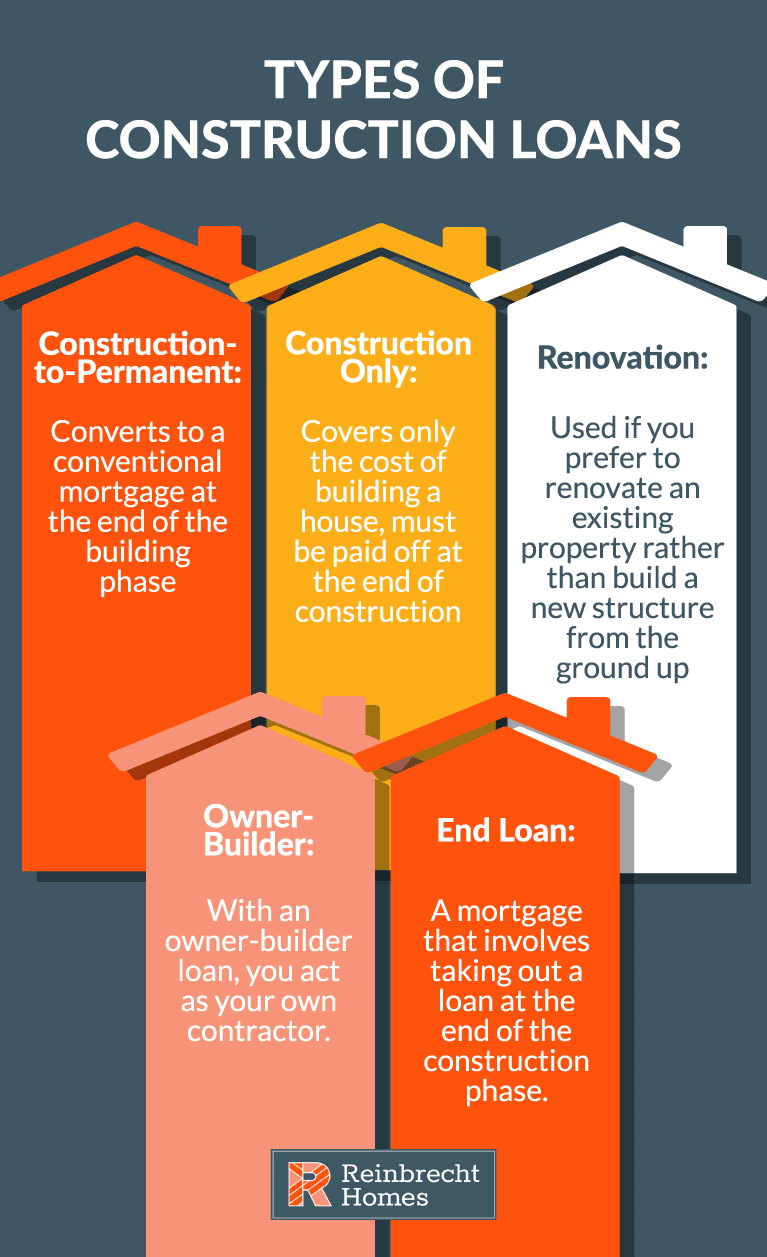
Types of Investment Property Construction Loans
Construction Loans: Funds To Buy Land and Build
Several types of construction loans cater to different needs and project scales:
Construction-to-Permanent Loans: These loans combine the construction financing with a long-term mortgage. After construction is complete, the loan automatically converts to a permanent mortgage, saving you the hassle and expense of refinancing.
Stand-Alone Construction Loans: These loans cover only the construction phase. You’ll need to secure separate financing, such as a traditional mortgage, once construction is complete.
Renovation Loans: These loans are designed for renovating existing properties, rather than building from scratch. They can be used for both cosmetic upgrades and structural repairs.
Key Considerations for Investment Property Construction Loans
Before embarking on an investment property construction project, carefully consider the following:
Loan Amount and LTV (Loan-to-Value): Lenders typically finance a percentage of the future appraised value of the completed property, not the current value of the land. Construction loan LTVs can be lower than traditional mortgages, reflecting the higher risk.
Interest Rates: Construction loan interest rates are often higher than standard mortgage rates. They can be fixed or variable, and are usually tied to a benchmark rate like the prime rate.
Fees: Be prepared for various fees, including origination fees, appraisal fees, inspection fees, and draw fees. These fees can add significantly to the overall cost of the loan.
Loan Term: Construction loans are short-term, typically lasting 6-18 months. The loan term should align with the estimated construction timeline.
Builder Requirements: Lenders often have specific requirements for the builder you choose. They may need to be licensed, insured, and have a proven track record of successful projects.
Contingency Planning: Construction projects rarely go exactly as planned. It’s essential to have a contingency plan in place to address potential delays, cost overruns, and unforeseen issues. A buffer in your budget is crucial.
Qualifying for an Investment Property Construction Loan
Qualifying for an investment property construction loan can be more challenging than qualifying for a traditional mortgage. Lenders will assess several factors:
Credit Score: A strong credit score is essential. Lenders want to see a history of responsible financial management.
Debt-to-Income Ratio (DTI): Your DTI, which compares your total debt to your gross income, will be closely scrutinized. A lower DTI demonstrates your ability to manage debt.
Experience: Lenders prefer borrowers with experience in construction or real estate development. If you’re a first-time builder, you may need to demonstrate strong project management skills and a solid business plan.
Financial Reserves: Lenders want to see that you have sufficient financial reserves to cover potential cost overruns or unexpected expenses.
Project Feasibility: A well-prepared business plan, detailed construction contract, and realistic budget are crucial for demonstrating the project’s feasibility.
Tips for Securing an Investment Property Construction Loan
Shop Around: Compare loan offers from multiple lenders, including banks, credit unions, and private lenders. Pay attention to interest rates, fees, and loan terms.
Get Pre-Approved: Getting pre-approved for a loan can strengthen your position when negotiating with builders and sellers.
Prepare a Strong Business Plan: A comprehensive business plan that outlines the project’s details, market analysis, and financial projections is essential.
Choose a Reputable Builder: Select a licensed and experienced builder with a proven track record of successful projects.
Maintain Open Communication: Stay in regular communication with your lender and builder throughout the construction process.
Conclusion
Investment property construction loans can be a powerful tool for building wealth through real estate. However, they are complex financial products that require careful planning and due diligence. By understanding the intricacies of these loans, you can increase your chances of securing favorable financing and successfully completing your investment project. Remember to consult with experienced professionals, such as real estate attorneys, financial advisors, and builders, to navigate the process effectively. Thorough research, meticulous planning, and proactive communication are the keys to a successful construction loan experience.

:max_bytes(150000):strip_icc()/basics-of-construction-loans-315595_final-c0f70269da9347709bd6327c9e242f60.png "image.title")


:max_bytes(150000):strip_icc()/sweepaccount.asp-Final-e0b16e87c6be4879a9376eec7787c292.png?resize=200,135&ssl=1 "Lincoln Investment Sweep Program: An Overview")
