Investing in Progress: A Comprehensive Guide to Grants
Grants are a vital source of funding for individuals, organizations, and communities striving to make a difference. Whether you’re an entrepreneur with a groundbreaking idea, a non-profit dedicated to social change, or a researcher pushing the boundaries of knowledge, grants can provide the financial fuel to turn your vision into reality. This comprehensive guide delves into the world of grants, exploring the different types, the application process, and strategies for securing funding for your impactful projects.
Understanding the Landscape of Grants
Grants are essentially financial awards given to individuals or organizations for a specific purpose, typically without the expectation of repayment. Unlike loans, grants are considered gifts, making them a highly sought-after funding source. They are typically offered by:
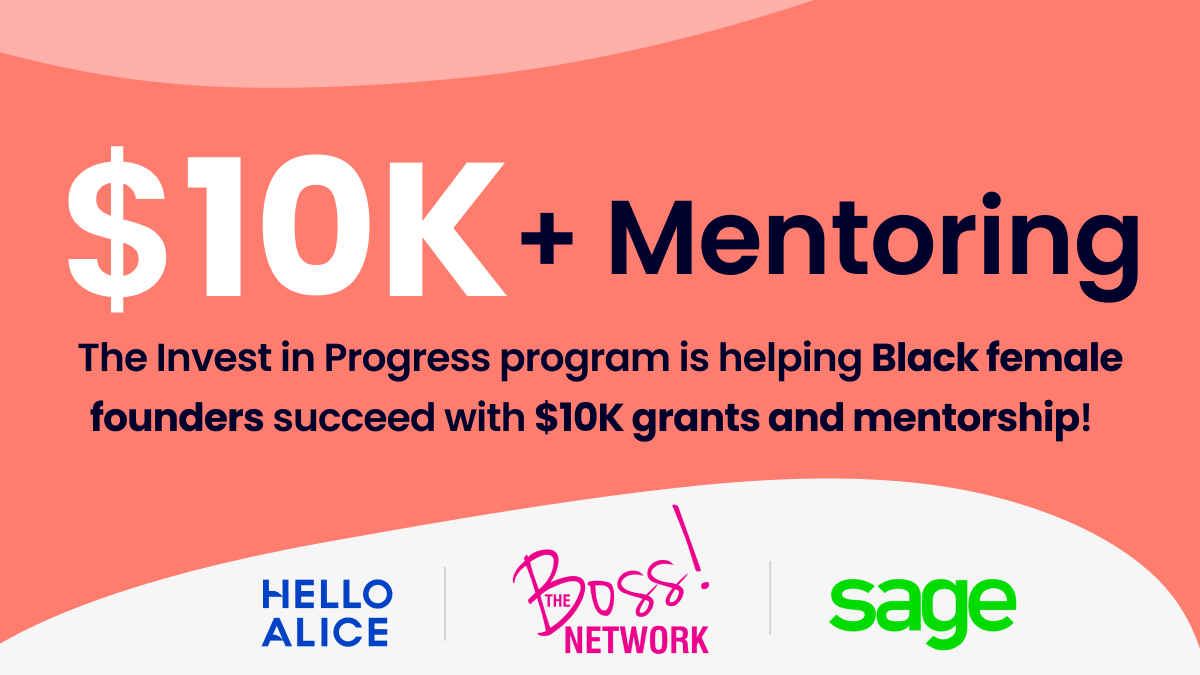
Introducing The BOSS Network and Sage Invest in Progress Grant!
Government Agencies: Federal, state, and local governments offer grants to support initiatives aligned with public policy objectives. These can range from scientific research and infrastructure development to education and community development programs.
Foundations: Private foundations, often established by wealthy individuals or families, distribute grants to support causes they believe in. Their focus areas can be broad or highly specific, reflecting the foundation’s mission and values.
Corporations: Many corporations have philanthropic arms that provide grants to non-profit organizations working in areas related to their business or community interests. This can be a way for companies to give back and demonstrate social responsibility.
Non-profit Organizations: Some non-profit organizations also offer grants to support projects that align with their own mission. These grants are often focused on specific areas of expertise or service.
Types of Grants: A Diverse Portfolio
The world of grants is remarkably diverse, with different types tailored to specific needs and purposes. Understanding these different categories is crucial for identifying the right opportunities for your project.
Project Grants: These are the most common type of grant, awarded for a specific project with defined goals, timelines, and budgets. They are often used to fund research, program development, or community initiatives.
Operating Grants: These grants provide funding for the general operating expenses of an organization, such as salaries, rent, and utilities. They are typically awarded to non-profit organizations to support their ongoing operations.
Capital Grants: These grants are specifically designated for the purchase or construction of physical assets, such as buildings, equipment, or land. They are often used by organizations to expand their facilities or improve their infrastructure.
Research Grants: These grants support scientific research projects, often awarded to universities, research institutions, or individual researchers. They can cover a wide range of disciplines, from medicine and engineering to social sciences and humanities.
Education Grants: These grants support educational initiatives, such as scholarships, teacher training programs, or curriculum development. They can be awarded to schools, universities, or other educational organizations.
Community Development Grants: These grants focus on improving the social and economic conditions of communities. They can support projects related to housing, healthcare, education, or economic development.
Awardees Named for ‘Sage Invest in Progress’ Grants
Navigating the Grant Application Process
Securing a grant requires careful planning, diligent research, and a compelling proposal. The application process can be competitive, so it’s essential to approach it strategically.
Research and Identify Funding Opportunities: The first step is to identify grant opportunities that align with your project’s goals and your organization’s mission. Numerous online databases and resources can help you find potential funders.
Review Eligibility Requirements: Carefully review the eligibility requirements for each grant opportunity to ensure that your organization or project is eligible to apply. Pay attention to factors such as geographic location, organizational size, and project focus.
Contact the Funder: It’s often helpful to contact the funder directly to discuss your project and ask any questions you may have about the application process. This can help you determine if your project is a good fit for their funding priorities.
Develop a Compelling Proposal: The grant proposal is the cornerstone of your application. It should clearly articulate your project’s goals, methodology, budget, and expected outcomes. A well-written proposal should be persuasive, concise, and error-free.
Gather Supporting Documents: In addition to the proposal, you will typically need to submit supporting documents, such as your organization’s financial statements, letters of support, and resumes of key personnel.
Submit the Application: Carefully follow the funder’s instructions for submitting the application. Pay attention to deadlines and required formats.
Follow Up: After submitting the application, it’s a good idea to follow up with the funder to confirm that they have received your materials.
Acceptance or Rejection: If your application is successful, you will receive a grant award letter outlining the terms and conditions of the grant. If your application is not successful, don’t be discouraged. Request feedback from the funder to improve future applications.
Strategies for Securing Grant Funding
The grant writing process can be challenging, but there are strategies you can employ to increase your chances of success.
Develop a Strong Track Record: Funders are more likely to support organizations with a proven track record of success. Demonstrate your organization’s past achievements and impact in your grant applications.
Build Relationships with Funders: Cultivate relationships with program officers at foundations and grant-making organizations. This can help you learn about their funding priorities and gain valuable insights into the application process.
Tailor Your Proposals: Customize each grant proposal to the specific funder’s guidelines and priorities. Avoid using generic templates and instead demonstrate a clear understanding of the funder’s mission and values.
Highlight the Impact of Your Project: Clearly articulate the potential impact of your project and how it will address a significant need or problem. Use data and evidence to support your claims.
Present a Realistic Budget: Develop a realistic budget that accurately reflects the costs of your project. Avoid overestimating or underestimating expenses.
Seek Professional Assistance: Consider hiring a grant writer or consultant to help you develop and submit compelling grant proposals.
The Importance of Evaluation and Reporting
Once you have secured a grant, it’s crucial to implement your project effectively and track your progress. Funders often require grantees to submit regular progress reports and a final evaluation report at the end of the project.
Track Your Progress: Implement a system for tracking your project’s activities, expenses, and outcomes. This will help you monitor your progress and ensure that you are meeting your goals.
Submit Timely Reports: Submit all required reports to the funder on time and in accordance with their guidelines.
Evaluate Your Project: Conduct a thorough evaluation of your project to assess its impact and identify lessons learned.
Acknowledge the Funder: Publicly acknowledge the funder’s support for your project. This can be done through press releases, website mentions, or social media posts.
Conclusion: Investing in the Future
Grants are a powerful tool for driving positive change in communities around the world. By understanding the landscape of grants, navigating the application process effectively, and implementing your projects successfully, you can leverage this valuable funding source to make a real difference. While the process can be competitive, the rewards of securing grant funding are substantial, enabling you to invest in progress and build a brighter future. Remember that persistence and a well-crafted approach are key to unlocking the potential of grant funding.



:max_bytes(150000):strip_icc()/sweepaccount.asp-Final-e0b16e87c6be4879a9376eec7787c292.png?resize=200,135&ssl=1 "Lincoln Investment Sweep Program: An Overview")
