
Investing Careers: A Comprehensive Guide
The world of finance offers a diverse range of career paths, and within it, the field of investing stands out as particularly dynamic and rewarding. Whether you’re drawn to the thrill of market analysis, the strategic thinking behind portfolio management, or the client interaction involved in wealth management, a career in investing can be both intellectually stimulating and financially lucrative. This comprehensive guide will delve into the various roles, required skills, educational pathways, and career progression in the exciting world of investing.
Understanding the investment Landscape
Before diving into specific career paths, it’s crucial to understand the broader investment landscape. This includes familiarizing yourself with different asset classes (stocks, bonds, real estate, commodities, alternative investments), various investment strategies (value investing, growth investing, technical analysis), and the key players in the industry (investment banks, asset management firms, hedge funds, private equity firms, financial advisors).
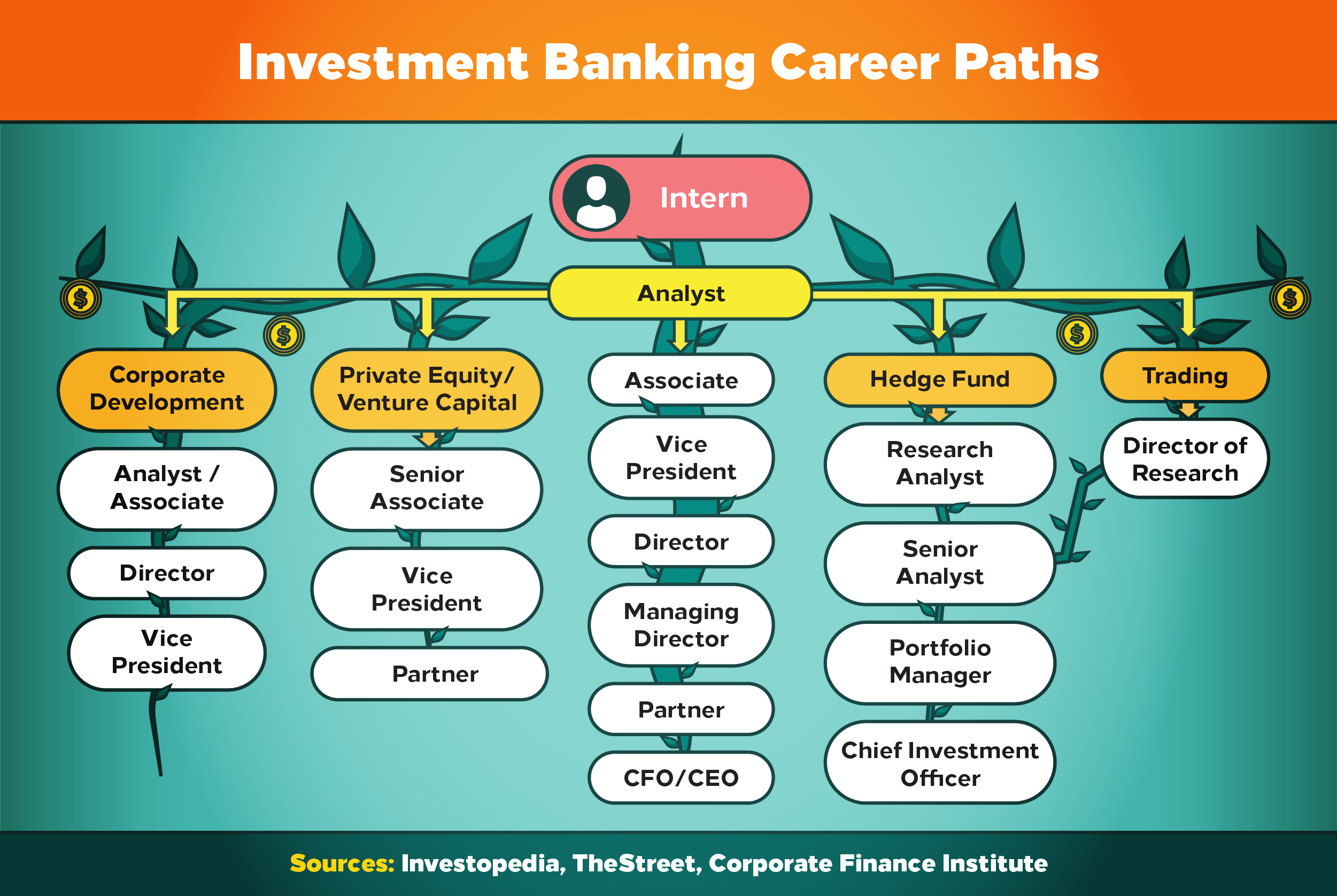
Exploring Diverse Investment Career Paths
The field of investing offers a multitude of career options, each with its own unique focus and responsibilities. Here are some of the most common and sought-after roles:
2.1 Financial Analyst
Financial analysts are the backbone of investment research. They meticulously analyze financial statements, industry trends, and economic data to provide investment recommendations. Their work informs investment decisions made by portfolio managers and other investment professionals.

2.2 Portfolio Manager
Portfolio managers are responsible for constructing and managing investment portfolios on behalf of individuals, institutions, or funds. They make decisions about asset allocation, security selection, and risk management, aiming to maximize returns while staying within defined investment objectives.
2.3 Investment Banking Analyst
Investment banking analysts play a crucial role in facilitating capital market transactions. They work on mergers and acquisitions, initial public offerings (IPOs), and debt financing, providing financial modeling and valuation support. While not strictly an “investing” role in the traditional sense, it offers excellent exposure to financial markets and corporate finance.
2.4 Equity Research Analyst
Equity research analysts specialize in analyzing publicly traded companies. They conduct in-depth research on specific industries and companies, assessing their financial health, growth prospects, and valuation. Their research reports are used by portfolio managers and other investors to make investment decisions.
2.5 Fixed Income Analyst
Fixed income analysts focus on analyzing debt securities, such as bonds. They assess credit risk, interest rate risk, and other factors that affect the value of fixed income investments. They provide recommendations on bond selection and portfolio construction for fixed income portfolios.
2.6 Hedge Fund Analyst
Hedge fund analysts work for hedge funds, which are investment funds that employ sophisticated investment strategies to generate high returns. They conduct extensive research and analysis, often focusing on specific investment strategies or asset classes.
2.7 Private Equity Analyst
Private equity analysts work for private equity firms, which invest in privately held companies. They conduct due diligence on potential investments, analyzing financial statements, market conditions, and management teams.
2.8 Real Estate Analyst
Real estate analysts specialize in analyzing real estate investments. They assess property values, market trends, and financial feasibility of real estate projects.
2.9 Financial Advisor
Financial advisors provide investment advice and financial planning services to individuals and families. They help clients develop financial goals, create investment strategies, and manage their investment portfolios.
2.10 Wealth Manager
Wealth managers cater to high-net-worth individuals and families, providing comprehensive financial planning and investment management services. They often oversee complex investment portfolios and work closely with clients to achieve their financial objectives.
2.11 Quantitative Analyst (Quant)
Quants develop and implement mathematical models and algorithms used in investment decision-making. They possess strong programming and statistical skills and play a crucial role in areas such as algorithmic trading and risk management.
Essential Skills for Investment Professionals
Success in the investment industry requires a combination of technical skills, analytical abilities, and personal attributes. Some of the most important skills include:
3.1 Strong Analytical and Problem-Solving Skills
Investment professionals must be able to analyze complex financial data, identify trends, and make sound investment decisions.
3.2 Financial Modeling and Valuation Skills
Proficiency in financial modeling and valuation techniques is essential for many investment roles, particularly for analysts and portfolio managers.
3.3 Excellent Communication and Presentation Skills
The ability to communicate investment ideas clearly and persuasively is crucial, especially for those in client-facing roles or those presenting research findings.
3.4 Strong Understanding of Financial Markets and Investments
A deep understanding of different asset classes, investment strategies, and market dynamics is fundamental to success in the investment field.
3.5 Attention to Detail and Accuracy
Investment professionals must be meticulous and detail-oriented, as even small errors can have significant consequences.
3.6 Ethical and Professional Conduct
Maintaining the highest ethical standards and adhering to professional conduct guidelines is paramount in the investment industry.
3.7 Adaptability and a Willingness to Learn
The investment landscape is constantly evolving, so professionals must be adaptable and committed to continuous learning.
Educational Pathways to an Investment Career
While specific educational requirements may vary depending on the role and the firm, a strong academic foundation is generally essential for a successful investment career.
4.1 Bachelor’s Degree
A bachelor’s degree in finance, economics, accounting, or a related field is typically the minimum requirement for entry-level positions in the investment industry.
4.2 Master’s Degree (MBA or MSF)
A Master of Business Administration (MBA) with a concentration in finance or a Master of Science in Finance (MSF) can enhance career prospects and open doors to more senior roles.
4.3 Chartered Financial Analyst (CFA) Designation
The CFA charter is a globally recognized and highly respected professional designation in the investment management industry. It demonstrates a strong understanding of investment principles and ethics.
4.4 Other Professional Certifications
Other relevant certifications include the Chartered Alternative Investment Analyst (CAIA) designation for those interested in alternative investments and the Financial Risk Manager (FRM) certification for those focused on risk management.
Career Progression in the Investment Industry
Career progression in the investment industry typically involves a combination of gaining experience, developing expertise, and building a strong professional network.
5.1 Entry-Level Positions
Entry-level positions, such as financial analyst or research analyst, provide valuable experience and exposure to the investment world.
5.2 Mid-Level Positions
With experience, professionals may advance to mid-level roles, such as portfolio manager, senior analyst, or investment banking associate.
5.3 Senior-Level Positions
Senior-level positions, such as managing director, chief investment officer, or portfolio manager, require extensive experience, strong leadership skills, and a proven track record of success.
5.4 Building a Professional Network
Networking plays a crucial role in career advancement in the investment industry. Attending industry events, joining professional organizations, and building relationships with colleagues and mentors can open doors to new opportunities.
The Future of Investing Careers
The investment industry is constantly evolving, driven by technological advancements, regulatory changes, and shifts in investor preferences. The rise of fintech, artificial intelligence, and sustainable investing are shaping the future of investing careers.
6.1 The Impact of Technology
Technology is transforming the investment industry, automating tasks, and providing access to vast amounts of data. Investment professionals need to be proficient in using technology and data analytics tools.
6.2 The Growing Importance of ESG
Environmental, social, and governance (ESG) factors are increasingly important to investors. Investment professionals need to understand ESG issues and integrate them into their investment analysis.
6.3 The Rise of Fintech
Fintech is disrupting the traditional investment landscape, creating new opportunities and challenges. Investment professionals need to be aware of fintech trends and adapt to the changing environment.
Conclusion
A career in investing can be both challenging and rewarding. It requires a combination of technical skills, analytical abilities, and personal attributes. By understanding the different career paths, developing the necessary skills, and pursuing relevant education and certifications, individuals can embark on a successful and fulfilling career in the dynamic world of investing. The key is to stay adaptable, embrace technological advancements, and remain committed to continuous learning in this ever-evolving field.


:max_bytes(150000):strip_icc()/sweepaccount.asp-Final-e0b16e87c6be4879a9376eec7787c292.png?resize=200,135&ssl=1 "Lincoln Investment Sweep Program: An Overview")
