Financing Your Pole Barn: A Guide

Posted on

Pole Barn Financing: A Comprehensive Guide

Pole barns, also known as post-frame buildings, are a versatile and cost-effective construction method for a wide range of applications, from agricultural structures like barns and sheds to workshops, garages, and even recreational facilities. However, financing the construction of a pole barn can sometimes present unique challenges. This comprehensive guide will explore the various financing options available, key considerations, and tips to secure the best deal.

Understanding Pole Barn Construction Costs

Before delving into financing, it’s crucial to understand the factors that influence the cost of a pole barn. These include:
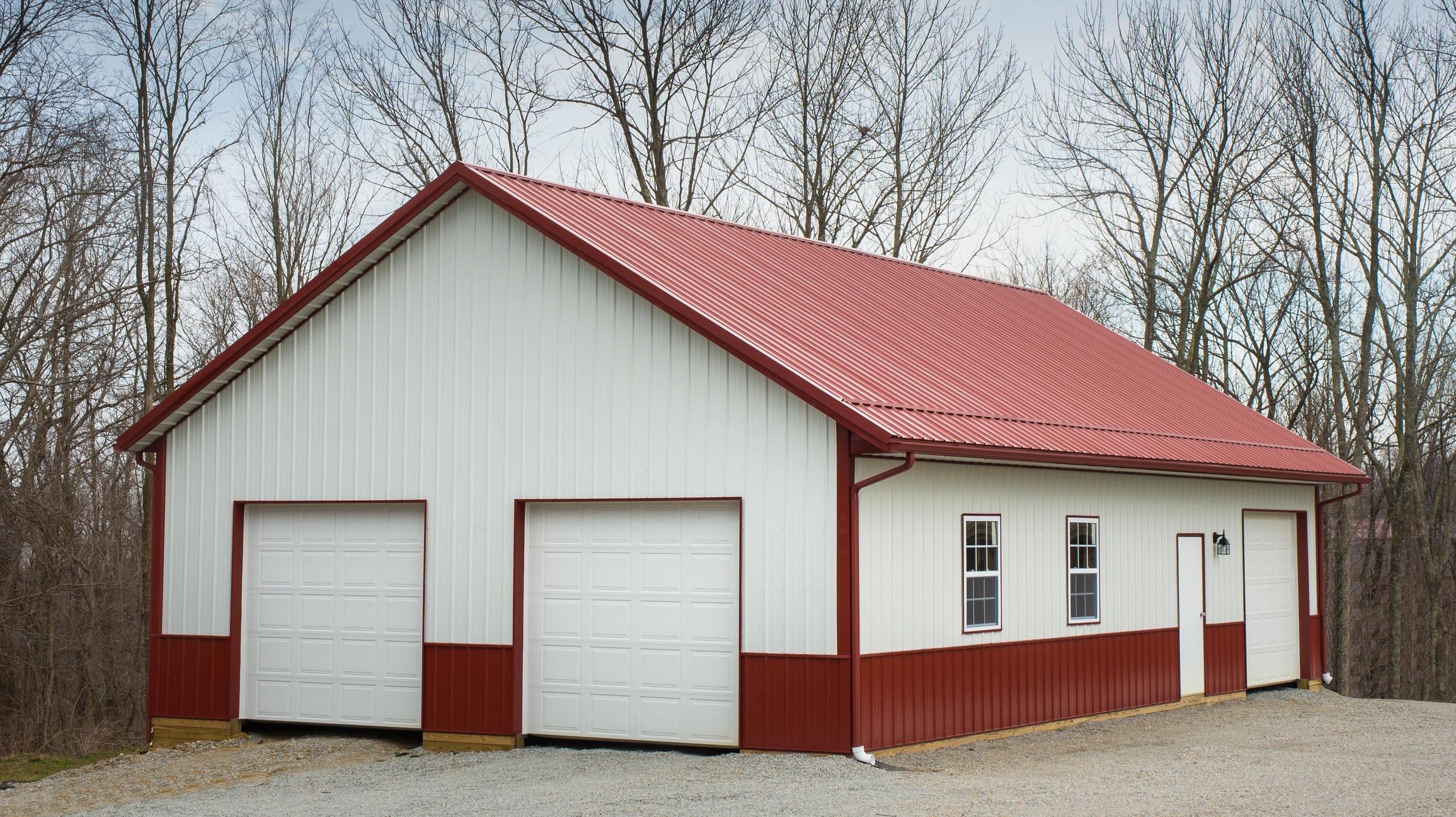
image.title
Can I Get a Pole Barn and Steel Building Contractor that Offers

Size and Dimensions: Larger structures naturally require more materials and labor, increasing the overall cost.

  • Materials: The choice of materials significantly impacts the price. Metal roofing and siding are generally more expensive than traditional options like wood, but they offer superior durability and longevity.
  • Features and Amenities: Adding features like insulation, windows, doors, and concrete floors will increase the overall cost.
  • Location: Construction costs can vary significantly depending on your location. Labor costs, material availability, and local regulations all play a role.
  • Construction Method: DIY construction can be more cost-effective, but it requires significant time and expertise. Hiring a professional contractor will increase the upfront costs but can save time and potentially reduce long-term maintenance expenses.

  • Traditional Financing Options

    1. Bank Loans

    Conventional Loans: This is a common option for financing construction projects. Banks offer various loan terms and interest rates, often requiring a down payment and good credit history.

  • Home Equity Loans/Lines of Credit (HELOCs): If you own your property, you can leverage your home equity to finance a pole barn. HELOCs offer flexibility in borrowing and repayment, but they carry the risk of putting your home at stake.
  • Construction Loans: These loans are specifically designed for construction projects. They typically provide funding in draws as the project progresses, ensuring that funds are released only as work is completed.

  • 2. Credit Unions

    Credit unions often offer more competitive interest rates and more flexible lending criteria compared to traditional banks. They may also be more willing to consider applications from borrowers with less-than-perfect credit.

    3. Farm Credit Services
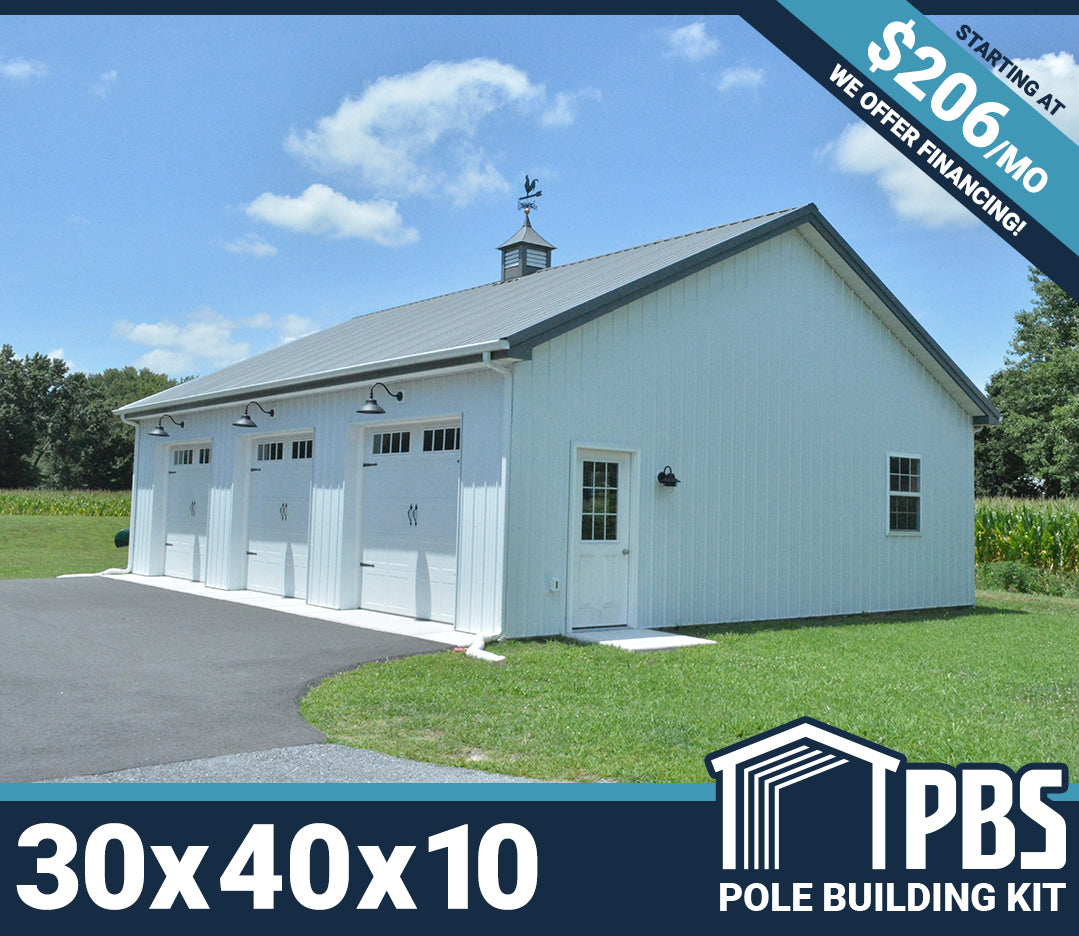
    image.title
    Pole Building Kit – xx (Lumber & Metal)

    If your pole barn is for agricultural purposes, Farm Credit Services can be a valuable resource. They specialize in financing agricultural operations and may offer competitive interest rates and loan programs tailored to the specific needs of farmers and ranchers.

    Alternative Financing Options

    1. Private Lenders

    Private lenders, such as family and friends, can be an alternative source of funding. However, it’s crucial to clearly define the terms of the loan, including interest rates, repayment schedules, and any collateral requirements.

    2. Owner Financing

    Some pole barn builders offer owner financing options, allowing you to make payments directly to them over time. This can be a convenient option, but it’s essential to carefully review the terms and conditions of the agreement.

    3. Leasing

    Leasing may be a viable option for businesses that prefer to avoid the upfront costs of ownership. Lease agreements typically involve regular payments for the use of the structure over a specified period.

    Key Considerations for Securing Pole Barn Financing

    Credit Score: A good credit score is crucial for securing favorable loan terms.

  • Down Payment: A larger down payment can significantly improve your chances of loan approval and may result in lower interest rates.
  • Debt-to-Income Ratio: Lenders will consider your debt-to-income ratio to assess your ability to repay the loan.
  • Business Plan: If you’re building the pole barn for business purposes, a well-written business plan can strengthen your loan application.
  • Collateral: Lenders may require collateral, such as your property or other valuable assets, to secure the loan.
  • Insurance: Ensure that the pole barn is adequately insured to protect your investment from potential damage.

  • Tips for Securing the Best Financing Deal

    Shop Around: Compare offers from multiple lenders to find the best interest rates and terms.

  • Improve Your Credit Score: Take steps to improve your credit score before applying for a loan.
  • Get Pre-Approved: Getting pre-approved for a loan can give you a better understanding of your borrowing power and can strengthen your negotiating position with builders.
  • Consider a Shorter Loan Term: Shorter loan terms generally result in lower overall interest costs.
  • Negotiate with the Builder: Explore options for financing directly with the pole barn builder, such as owner financing or payment plans.

  • Conclusion

    Financing a pole barn requires careful planning and research. By understanding the available options, considering your financial situation, and taking the time to secure the best deal, you can successfully finance your project and enjoy the benefits of owning a versatile and cost-effective structure.

  • Disclaimer: This information is for general guidance only and should not be considered financial or legal advice. Consult with a qualified financial advisor or attorney for personalized guidance on your specific situation.
  • Leave a Reply

    Your email address will not be published. Required fields are marked *