
Navigating the Storm: A Comprehensive Guide to Tropical Cyclone Investing
Tropical cyclones, encompassing hurricanes, typhoons, and other regional names, are powerful and destructive forces of nature. While they pose significant risks to life and property, they also present unique opportunities for investors. Understanding the dynamics of these storms, their potential impacts, and the industries they affect can be crucial for making informed investment decisions.
Understanding Tropical Cyclones
Tropical cyclones are characterized by a rapidly rotating storm system with a low-pressure center, strong winds, and a spiral arrangement of thunderstorms that produce heavy rains. They form over warm ocean waters and are fueled by the heat released when moist air rises and condenses.

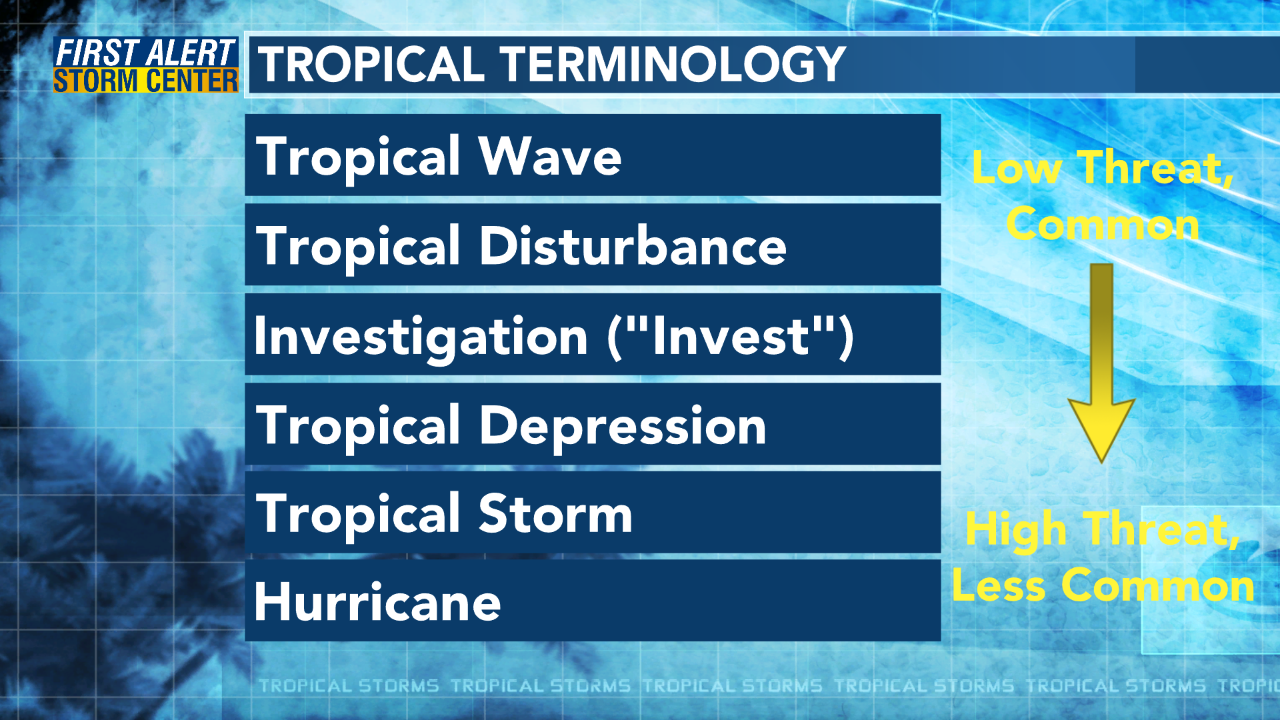
The life cycle of a tropical cyclone involves several stages:
1. Tropical Disturbance: A cluster of thunderstorms with some organization.
2. Tropical Depression: A more organized system with a defined circulation and sustained winds of 38 mph or less.
3. Tropical Storm: A further developed system with sustained winds of 39 to 73 mph. At this stage, the storm is assigned a name.
4. Hurricane/Typhoon/Cyclone: A storm with sustained winds of 74 mph or more. Hurricanes are classified on the Saffir-Simpson scale, ranging from Category 1 (minimal) to Category 5 (catastrophic).
Factors Influencing Tropical Cyclone Development and Intensity
Several factors contribute to the formation and intensification of tropical cyclones:
Warm Ocean Temperatures: Warm ocean waters provide the necessary heat and moisture for cyclone development.
Impact of Tropical Cyclones
Tropical cyclones can have devastating impacts on coastal regions and beyond:
Storm Surge: Rising sea levels caused by the storm’s winds, leading to coastal flooding.
Investment Opportunities in a Hurricane-Prone World
While tropical cyclones pose significant risks, they also create opportunities for investors in various sectors:
Construction and Infrastructure: Companies involved in rebuilding and repairing damaged infrastructure, including roads, bridges, and buildings, see increased demand after a major storm.
Investment Strategies for Tropical Cyclones
Investors can employ various strategies to capitalize on the opportunities presented by tropical cyclones:
Invest in Companies Directly Involved in Disaster Relief: Companies that provide construction services, building materials, insurance, emergency services, and utilities are likely to see increased demand after a major storm.
Risks and Challenges
Investing in the wake of tropical cyclones also involves certain risks and challenges:
Unpredictability of Storms: The timing, intensity, and path of tropical cyclones are difficult to predict, making it challenging to time investments accurately.
Conclusion
Tropical cyclones are powerful and destructive forces of nature that can have significant impacts on various industries. While they pose risks, they also create unique investment opportunities. By understanding the dynamics of these storms, their potential impacts, and the sectors they affect, investors can make informed decisions and potentially profit from the recovery efforts. However, it’s crucial to consider the risks and challenges involved and invest responsibly.


:max_bytes(150000):strip_icc()/sweepaccount.asp-Final-e0b16e87c6be4879a9376eec7787c292.png?resize=200,135&ssl=1 "Lincoln Investment Sweep Program: An Overview")
