Investing in Affordable Housing: A Comprehensive Guide
The affordable housing crisis is a pressing issue in many parts of the world. Millions struggle to find safe, stable, and affordable places to live, impacting their health, education, and economic opportunities. This crisis presents a unique opportunity for investors who are seeking both financial returns and a positive social impact. This article explores the landscape of affordable housing investment, outlining the challenges, opportunities, and strategies involved.
Understanding the Affordable Housing Landscape
Affordable housing refers to housing units that are accessible to households with low to moderate incomes. The definition of “affordable” varies depending on location and income levels, but generally, it means that housing costs consume no more than 30% of a household’s income. The gap between income and housing costs has been widening for decades, driven by factors such as stagnant wages, rising construction costs, and limited housing supply.

The Need for Investment
Government subsidies and non-profit organizations play a crucial role in providing affordable housing, but they cannot meet the demand alone. Private investment is essential to bridge the gap and create more affordable housing options. Investing in this sector offers several potential benefits:
Financial Returns
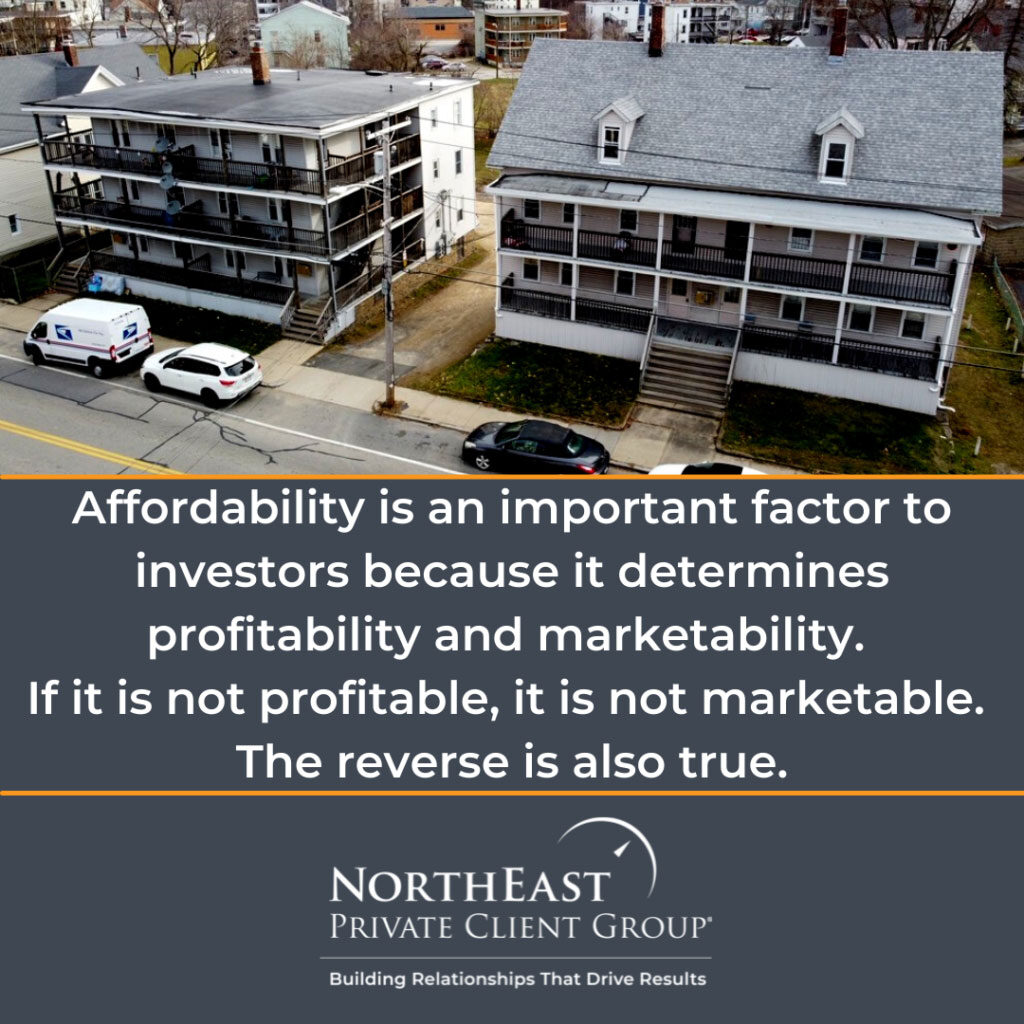
While often perceived as a purely charitable endeavor, affordable housing investment can generate competitive financial returns. Various investment vehicles, such as tax credit syndications, real estate investment trusts (REITs), and private equity funds, offer different risk-return profiles. The demand for affordable housing is consistently high, providing a stable stream of rental income.
Social Impact
Investing in affordable housing directly addresses a critical social need. It provides families with stable housing, improves their living conditions, and enhances their quality of life. Affordable housing can also have a positive ripple effect on communities, leading to improved health, education, and economic outcomes.
Portfolio Diversification
Affordable housing investments can offer diversification benefits to a portfolio. They tend to be less correlated with traditional asset classes like stocks and bonds, providing a buffer against market volatility.
Government Incentives
Governments at various levels offer a range of incentives to encourage private investment in affordable housing. These incentives can include tax credits, grants, loan guarantees, and expedited permitting processes.
Investment Strategies
Several strategies can be employed when investing in affordable housing:
Low-Income Housing Tax Credits (LIHTC)
LIHTC is a federal tax credit program that incentivizes private investment in affordable housing. Investors provide capital to develop or rehabilitate affordable housing projects and receive tax credits in return. LIHTC investments are typically structured as limited partnerships, offering investors both tax benefits and potential financial returns.
Real Estate Investment Trusts (REITs)
REITs are companies that own, operate, or finance income-producing real estate across a range of property types, including affordable housing. REITs offer investors liquidity and diversification, allowing them to invest in a portfolio of affordable housing properties.
Private Equity Funds
Private equity funds focused on affordable housing invest capital from institutional and individual investors to develop or acquire affordable housing properties. These funds typically have a longer investment horizon and may offer higher potential returns than other investment vehicles.
Impact Investing
Impact investing focuses on generating both financial returns and measurable social impact. Affordable housing is a natural fit for impact investing, as it directly addresses a critical social need while offering the potential for financial returns.
Challenges and Risks
Investing in affordable housing also comes with its own set of challenges and risks:
Development Costs
Construction and development costs can be significant, impacting the financial viability of affordable housing projects. Rising land prices, labor costs, and material costs can make it challenging to develop affordable housing at scale.
Regulatory Hurdles
Navigating the regulatory landscape can be complex. Zoning regulations, permitting processes, and environmental reviews can add time and cost to affordable housing projects.
Financing Challenges
Securing financing for affordable housing projects can be difficult. Traditional lenders may be hesitant to finance projects with lower profit margins, making it necessary to explore alternative financing options.
Property Management
Managing affordable housing properties requires specialized expertise. Property managers need to be familiar with affordable housing regulations and be able to work effectively with residents from diverse backgrounds.
Market Volatility
While generally considered less volatile than other real estate sectors, the affordable housing market is still subject to market fluctuations. Changes in interest rates, economic conditions, and government policies can impact investment returns.
Due Diligence
Thorough due diligence is crucial when investing in affordable housing. Investors should carefully evaluate the financial viability of projects, assess the track record of developers and property managers, and understand the regulatory environment.
The Future of Affordable Housing Investment
The affordable housing crisis is likely to persist for the foreseeable future, creating a continued need for private investment. Several trends are shaping the future of affordable housing investment:
Growing Demand
The demand for affordable housing is expected to continue to grow as populations increase and housing costs rise. This demographic trend creates a long-term opportunity for investors.
Innovative Financing Models
New and innovative financing models are emerging to address the affordable housing gap. These models include public-private partnerships, social impact bonds, and crowdfunding platforms.
Technology and Data
Technology and data analytics are playing an increasing role in affordable housing development and management. These tools can help streamline processes, reduce costs, and improve efficiency.
Focus on Sustainability
There is a growing emphasis on sustainable and energy-efficient affordable housing. Investors are increasingly incorporating environmental, social, and governance (ESG) factors into their investment decisions.
Conclusion
Investing in affordable housing offers a unique opportunity to generate both financial returns and positive social impact. While challenges and risks exist, the need for affordable housing is undeniable, creating a long-term investment opportunity. By understanding the landscape, employing effective investment strategies, and conducting thorough due diligence, investors can play a crucial role in addressing the affordable housing crisis while achieving their financial goals. The future of affordable housing investment lies in innovation, collaboration, and a commitment to creating sustainable and equitable communities.


:max_bytes(150000):strip_icc()/sweepaccount.asp-Final-e0b16e87c6be4879a9376eec7787c292.png?resize=200,135&ssl=1 "Lincoln Investment Sweep Program: An Overview")
