The world of comic book collecting has evolved significantly over the decades. What was once a hobby for kids and enthusiasts has now become a serious investment arena, attracting collectors and investors alike. The potential for significant returns, coupled with the nostalgic and cultural value of these prized possessions, makes comic book investing an increasingly popular alternative asset. This comprehensive guide will delve into the nuances of comic book investing, providing you with the knowledge you need to navigate this exciting market.
Understanding the Comic Book Market
Before diving into the specifics of investing, it’s crucial to understand the dynamics of the comic book market. Like any other collectible market, comic book values are driven by several factors, including:
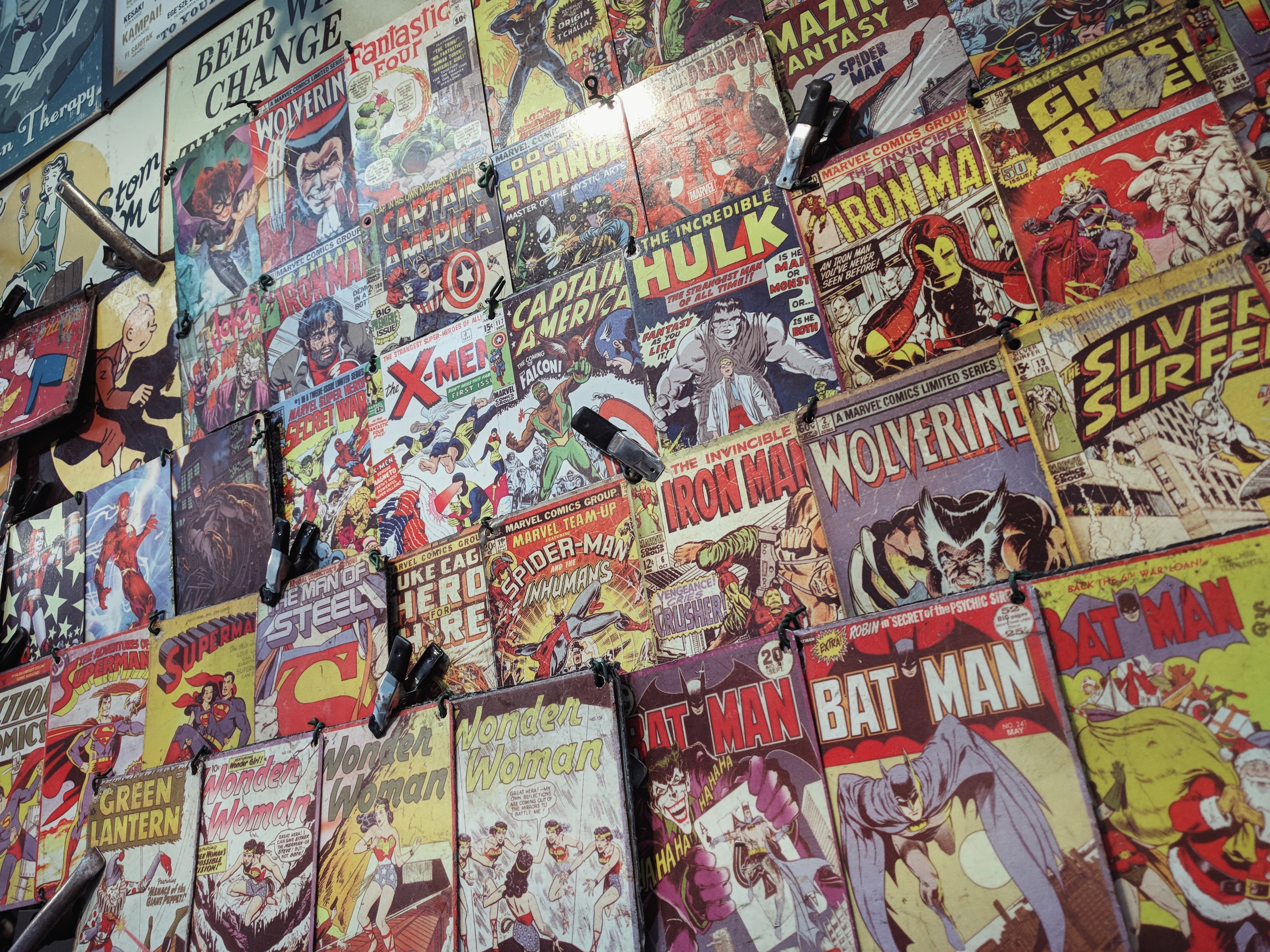
Are Comic Books A Good Investment: A Complete Guide – Collectibles
Rarity: The fewer copies of a comic book in existence, especially in high grade, the more valuable it becomes.
Condition: The condition of a comic book is paramount. Grading companies like CGC (Certified Guaranty Company) and CBCS (Comic Book Certification Service) assess the condition and encapsulate the comic in a protective holder, assigning it a grade.
Historical Significance: Key issues, such as the first appearance of a popular character, the origin story of a superhero, or a significant event in comic book history, carry a premium.
Popularity: Characters and storylines that resonate with collectors and the general public tend to drive demand and value.
Market Trends: Like any market, the comic book market experiences fluctuations based on various factors, including economic conditions, movie releases, and overall collector interest.
Key Factors to Consider When Investing
Investing in comic books requires careful consideration of several key factors to maximize your chances of success:
Research: Thorough research is the cornerstone of successful comic book investing. Stay up-to-date on market trends, character popularity, and the history of key issues.
Grading: As mentioned earlier, grading plays a crucial role in determining a comic book’s value. Invest in graded and encapsulated comics from reputable grading companies.
Condition is King: The condition of a comic book significantly impacts its value. Even a rare issue in poor condition will be worth considerably less than a common issue in high grade.
Focus on Key Issues: While there are exceptions, focusing on key issues, such as first appearances, significant storylines, and historically important comics, is generally a safer investment strategy.
Diversification: Don’t put all your eggs in one basket. Diversify your collection by investing in a range of titles, characters, and eras.
Budget: Determine your budget and stick to it. Avoid overspending and make informed investment decisions based on your financial capacity.
Storage: Proper storage is essential to maintain the condition of your comics. Use acid-free bags and boards and store them in a cool, dry place away from direct sunlight.
Authentication: Be wary of counterfeits. Purchase comics from reputable dealers and consider having high-value comics authenticated.
Comic Book Collecting and Investing: Key Issues and Storylines
Developing an Investment Strategy
A well-defined investment strategy is essential for long-term success in the comic book market. Consider the following:
Investment Goals: What are you hoping to achieve with your comic book investments? Are you looking for short-term gains or long-term appreciation?
Investment Timeline: How long are you willing to hold onto your investments? Comic book investing is often a long-term game.
Risk Tolerance: Understand your risk tolerance. The comic book market can be volatile, and there are no guarantees of profit.
Research and Due Diligence: Continuously research the market, track prices, and stay informed about trends.
Networking: Connect with other collectors and investors to learn from their experiences and gain insights into the market.
Understanding Comic Book Grading
Comic book grading is a crucial aspect of investing. Grading companies assess the condition of a comic book and assign it a numerical grade based on a standardized scale. The most common grading scale ranges from 0.5 (Poor) to 10.0 (Gem Mint). Higher grades command significantly higher prices.
Popular Comic Book Investment Categories
Certain categories of comic books tend to be more popular with investors:
Silver Age (1956-1970): This era is considered the golden age of superhero comics and features the first appearances of many iconic characters.
Bronze Age (1970-1985): This era saw the rise of darker and more complex storylines and the introduction of new characters.
Key Issues: As mentioned earlier, key issues, such as first appearances, significant storylines, and historically important comics, are highly sought after by collectors and investors.
Variant Covers: Variant covers, which feature different artwork or designs than the standard cover, can be valuable, especially if they are rare or feature popular artists.
Where to Buy and Sell Comic Books
Several avenues exist for buying and selling comic books:
Local Comic Book Shops: Local shops are a great place to find comics, connect with other collectors, and learn about the market.
Online Auctions: eBay and other online auction sites offer a vast selection of comics, but it’s essential to be cautious of counterfeits and accurately assess the condition of the comics.
Online Marketplaces: Specialized online marketplaces cater specifically to comic book collectors and investors.
Comic Conventions: Comic conventions are a great place to buy, sell, and trade comics, as well as meet other collectors and industry professionals.
Graded Comic Book Dealers: Dealers specializing in graded comics can offer valuable insights and access to high-quality investment-grade comics.
Managing Your Comic Book Collection
Proper management of your comic book collection is essential to maintain its value:
Storage: Store your comics in acid-free bags and boards to protect them from damage.
Insurance: Consider insuring your collection against loss or damage.
Inventory: Maintain an inventory of your comics, including their grade, issue number, and purchase price.
Regular Inspections: Periodically inspect your comics for any signs of damage.
The Future of Comic Book Investing
The future of comic book investing looks promising. The increasing popularity of comic book-based movies and television shows has introduced new audiences to the world of comics, driving demand and value. As long as there is a passion for these stories and characters, the comic book market will likely continue to thrive.
Final Thoughts
Investing in comic books can be a rewarding and potentially profitable endeavor. However, it’s essential to approach it with a clear understanding of the market, a well-defined investment strategy, and a commitment to research and due diligence. By following the guidelines outlined in this guide, you can increase your chances of success in this exciting and dynamic market. Remember, the key is to combine your passion for comics with a sound investment approach.



:max_bytes(150000):strip_icc()/sweepaccount.asp-Final-e0b16e87c6be4879a9376eec7787c292.png?resize=200,135&ssl=1 "Lincoln Investment Sweep Program: An Overview")
