
Cracking the Code: Your Comprehensive Guide to investment Banking Full-Time Recruiting
Investment banking remains a highly sought-after career path for ambitious graduates. The allure of high finance, complex deals, and significant earning potential draws thousands of applicants each year. However, the recruiting process is notoriously rigorous, demanding meticulous preparation and a deep understanding of the industry. This guide provides a comprehensive overview of investment banking full-time recruiting, equipping you with the knowledge and strategies to maximize your chances of success.
Understanding the Investment Banking Landscape
Before diving into the recruiting process, it’s crucial to grasp the fundamentals of investment banking. Investment banks act as intermediaries between companies and investors, facilitating various financial transactions. These transactions include:
Mergers and Acquisitions (M&A): Advising companies on buying or selling other businesses.
Investment banks are typically structured into divisions specializing in these areas. Understanding these different product groups is essential for targeting your applications effectively.
The Recruiting Timeline: A Marathon, Not a Sprint
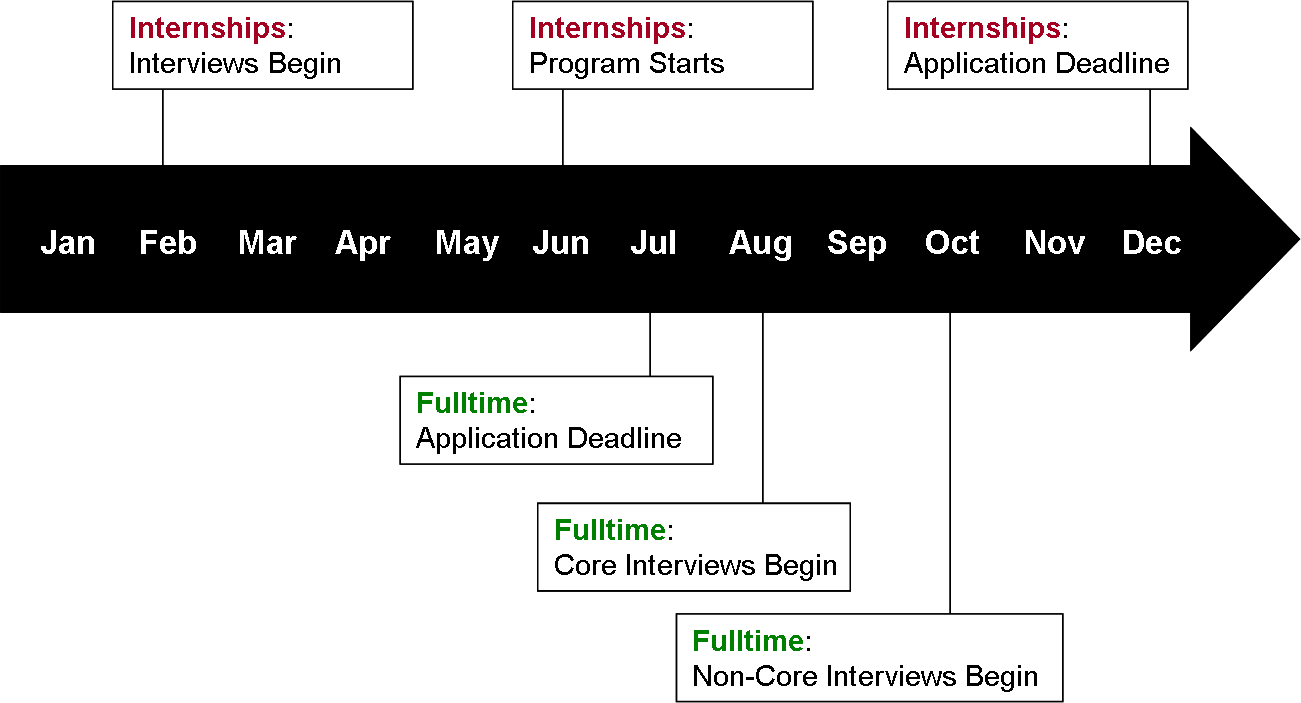
Investment banking recruiting follows a structured timeline, often beginning well before graduation. Being aware of key deadlines and events is paramount:
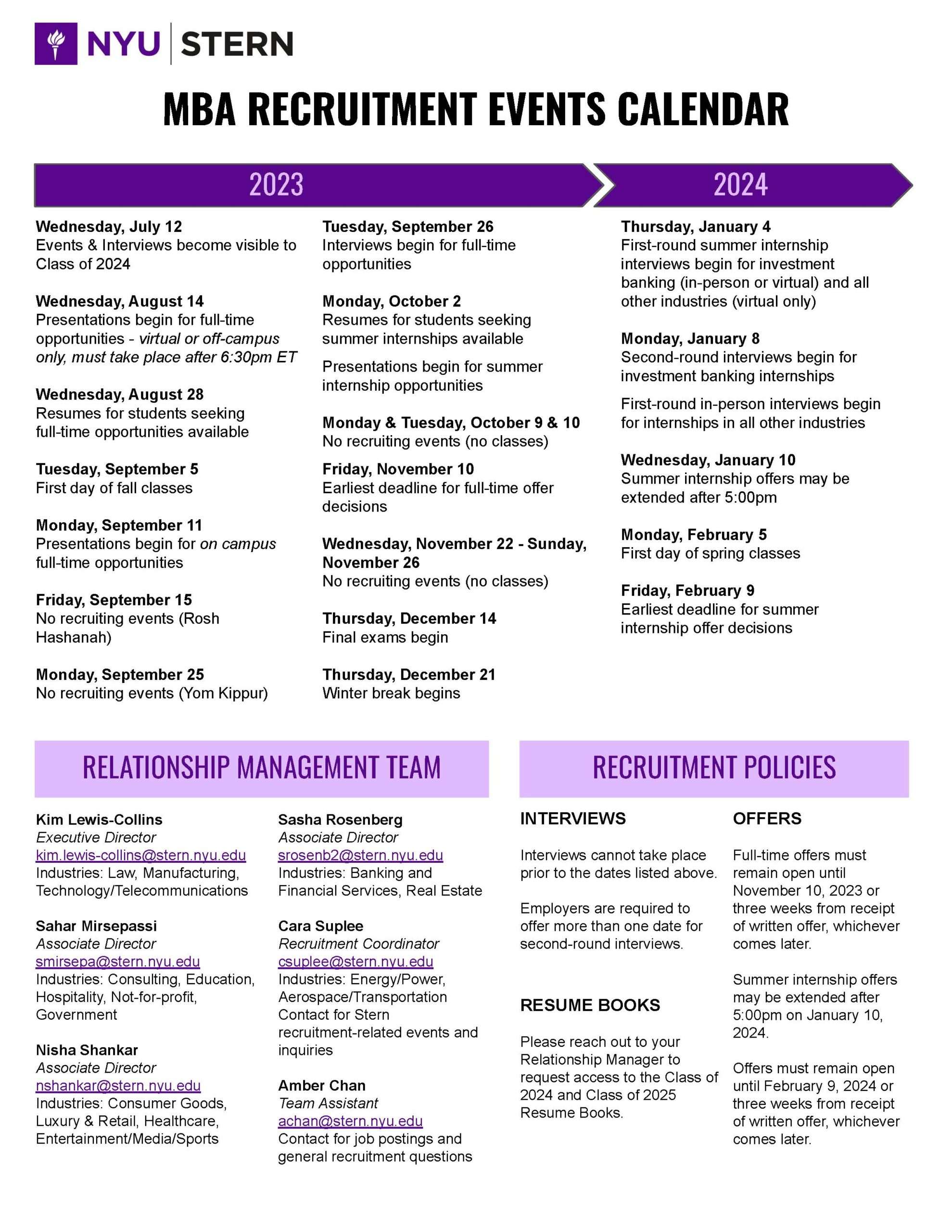
Summer Internships: These are the primary pipeline for full-time offers. Securing a summer internship at a target bank significantly increases your chances of receiving a full-time offer. Recruiting for summer internships typically occurs in the fall of your junior year.
Building Your Foundation: What Banks Look For
Investment banks seek candidates with a specific set of skills and qualities:
Strong Academic Record: A high GPA is essential, particularly from a target university. While GPA isn’t the only factor, it serves as an initial screening mechanism.
Crafting Your Application: Making a Strong First Impression
Your application is your first chance to impress recruiters. Pay close attention to each component:
Resume: Your resume should be concise, well-formatted, and tailored to investment banking. Highlight relevant coursework, internships, extracurricular activities, and skills.
Networking: Building Connections
Networking is a crucial aspect of investment banking recruiting. Attend networking events, connect with bankers on LinkedIn, and reach out to alumni. Building relationships can provide valuable insights and potentially lead to interview opportunities.
Mastering the Interview Process: A Multi-Stage Challenge
The investment banking interview process typically consists of multiple rounds, each designed to assess different aspects of your candidacy:
Behavioral Interviews: These interviews focus on your past experiences and how you’ve handled various situations. Prepare stories using the STAR method (Situation, Task, Action, Result) to demonstrate your skills and qualities.
Technical Preparation: The Key to Success
Technical proficiency is essential for navigating the interview process. Focus on the following areas:
Accounting: Understand the three financial statements (income statement, balance sheet, cash flow statement) and how they interact. Be familiar with key accounting concepts and ratios.
Behavioral Preparation: Telling Your Story
Behavioral questions are designed to assess your soft skills and personality. Prepare thoughtful answers to common behavioral questions, such as:
“Tell me about yourself.”
Case Study Preparation: Thinking on Your Feet
Case studies require you to think critically and creatively. Practice different types of case studies, such as market sizing, profitability analysis, and merger integration.
Navigating the Superday: The Final Hurdle
The Superday is the final round of interviews, typically held at the bank’s office. It’s a full day of interviews with various bankers. Be prepared to reiterate your qualifications and demonstrate your enthusiasm for the role.
Post-Interview: Following Up
After your interviews, send thank-you notes to each interviewer, reiterating your interest and expressing your appreciation for their time.
Making Your Decision: Choosing the Right Fit
If you receive multiple offers, carefully consider each bank’s culture, deal flow, and career development opportunities before making your decision.
Key Takeaways for Success
Start Early: Begin preparing for recruiting well in advance.
Resources for Success
Wall Street Oasis (WSO): An online forum with valuable insights and resources for investment banking recruiting.
By diligently preparing and following the strategies outlined in this guide, you can significantly increase your chances of landing your dream investment banking role. Remember that success requires dedication, perseverance, and a genuine passion for finance. Good luck!


:max_bytes(150000):strip_icc()/sweepaccount.asp-Final-e0b16e87c6be4879a9376eec7787c292.png?resize=200,135&ssl=1 "Lincoln Investment Sweep Program: An Overview")
