
“`html
investment Demand: A Deep Dive
Investment demand, a crucial component of aggregate demand, represents the total spending on capital goods that businesses undertake to improve their productive capacity. It encompasses expenditures on new machinery, equipment, factories, and other infrastructure. Understanding the dynamics of investment demand is essential for comprehending economic fluctuations, as it plays a significant role in driving business cycles and long-term economic growth.
Factors Influencing Investment Demand
Several key factors influence the level of investment demand. These include:
Interest Rates:
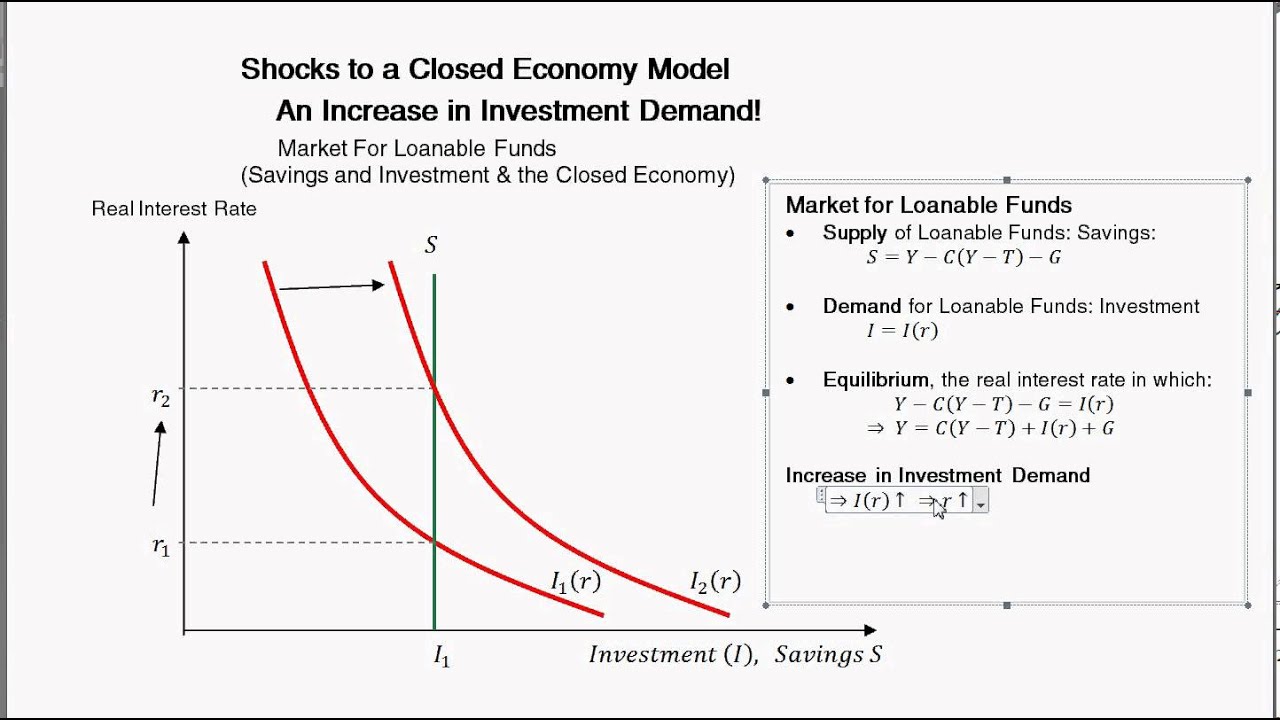
Interest rates represent the cost of borrowing money. When interest rates are high, borrowing becomes more expensive, discouraging businesses from taking on new investment projects. Conversely, lower interest rates make borrowing cheaper, incentivizing investment. The inverse relationship between interest rates and investment demand is a fundamental concept in macroeconomics.
Business Confidence and Expectations:

Business confidence, reflecting the overall optimism or pessimism of business leaders about the future economic outlook, is a powerful driver of investment. When businesses are confident about future profitability and growth prospects, they are more likely to invest. Conversely, uncertainty and pessimism can lead to a decline in investment. Expectations about future sales, technological advancements, and government policies also play a significant role.
Technological Change:
Rapid technological advancements often stimulate investment demand. Businesses invest in new technologies to enhance efficiency, reduce costs, and remain competitive. The introduction of new technologies can lead to a wave of investment as firms seek to modernize their operations and capitalize on emerging opportunities.
Capacity Utilization:
Capacity utilization measures the extent to which businesses are using their existing production capacity. When capacity utilization is high, firms are operating near their maximum output potential, and they are more likely to invest in expanding their capacity to meet growing demand. Conversely, when capacity utilization is low, businesses have spare capacity and are less likely to invest in new capital.
Government Policies:
Government policies, such as tax incentives, subsidies, and regulations, can significantly impact investment demand. Tax incentives, such as investment tax credits or accelerated depreciation, can reduce the effective cost of investment and encourage businesses to invest. Conversely, burdensome regulations can discourage investment. Government spending on infrastructure projects can also stimulate private investment.
Availability of Funds:
The availability of funds, including internal funds (retained earnings) and external funds (borrowing or equity financing), is a crucial determinant of investment. Businesses need access to financing to fund their investment projects. Constraints on credit availability can limit investment, even if other factors are favorable.
The Investment Demand Curve
The investment demand curve illustrates the inverse relationship between interest rates and the level of investment demand. It slopes downward, reflecting the fact that lower interest rates lead to higher investment, and vice versa. Shifts in the investment demand curve can occur due to changes in factors other than interest rates, such as business confidence, technological change, or government policies. A positive shift (to the right) indicates an increase in investment demand at any given interest rate, while a negative shift (to the left) indicates a decrease in investment demand.
The Multiplier Effect
Investment demand plays a crucial role in the multiplier effect, a key concept in Keynesian economics. The multiplier effect suggests that an initial increase in investment spending leads to a larger increase in aggregate demand and national income. This is because the initial investment creates income for individuals and businesses, who then spend a portion of that income, generating further income and spending. The multiplier effect amplifies the impact of investment on the overall economy.
Investment and Economic Growth
Investment is a crucial engine of long-term economic growth. By increasing the capital stock, investment enhances the productive capacity of the economy, allowing for the production of more goods and services. Investment in research and development can lead to technological advancements, further boosting productivity and economic growth. The accumulation of capital through investment is a key driver of rising living standards over time.
Volatility of Investment Demand
Investment demand is often more volatile than other components of aggregate demand, such as consumption. Business confidence and expectations can fluctuate significantly, leading to sharp swings in investment spending. This volatility can contribute to business cycle fluctuations, as declines in investment can trigger recessions, while increases in investment can fuel economic booms.
The Accelerator Principle
The accelerator principle suggests that investment demand is related to the rate of change in output or sales. If the economy is growing rapidly, businesses will need to invest to expand their capacity to meet the rising demand. Conversely, if the economy is slowing down, investment demand will decline. The accelerator principle highlights the link between economic growth and investment behavior.
Investment in Different Types of Capital
Investment can be categorized into different types of capital, including:
Fixed Investment:
Fixed investment refers to spending on tangible assets, such as buildings, machinery, and equipment. It is further divided into:
Business Fixed Investment:
Business fixed investment represents spending by businesses on capital goods used in production.
Residential Fixed Investment:
Residential fixed investment includes spending on new housing construction and improvements to existing housing.
Inventory Investment:
Inventory investment refers to changes in the level of inventories held by businesses. Increases in inventories can be a sign of anticipated future sales growth, while decreases in inventories may indicate a slowdown in demand.
Investment and the Financial System
The financial system plays a critical role in facilitating investment. It channels savings from individuals and institutions to businesses that need funds for investment projects. Banks, bond markets, and stock markets are all important components of the financial system that support investment activity.
Conclusion
Investment demand is a critical driver of economic activity, influencing both short-term fluctuations and long-term economic growth. Understanding the factors that affect investment demand is essential for policymakers seeking to promote stable economic growth and full employment. The volatility of investment demand can pose challenges for macroeconomic management, but effective policies can help to mitigate these challenges and foster a healthy investment climate.
“`


:max_bytes(150000):strip_icc()/sweepaccount.asp-Final-e0b16e87c6be4879a9376eec7787c292.png?resize=200,135&ssl=1 "Lincoln Investment Sweep Program: An Overview")
