:max_bytes(150000):strip_icc()/Unit-linked-insurance-plan-resized-d9ca6fd160504191b77aee8d2c1b9fec.jpg?ssl=1 "Investment-Linked Insurance: Balancing Protection And Growth")
investment-Linked Insurance: A Comprehensive Guide
Investment-linked insurance plans (ILPs) have become increasingly popular financial products, offering a blend of life insurance coverage and investment opportunities. They cater to individuals seeking both protection for their loved ones and potential growth of their capital. However, the complexity of ILPs can be daunting for many. This comprehensive guide aims to demystify these products, exploring their features, benefits, risks, and suitability for different individuals.
What is Investment-Linked Insurance?
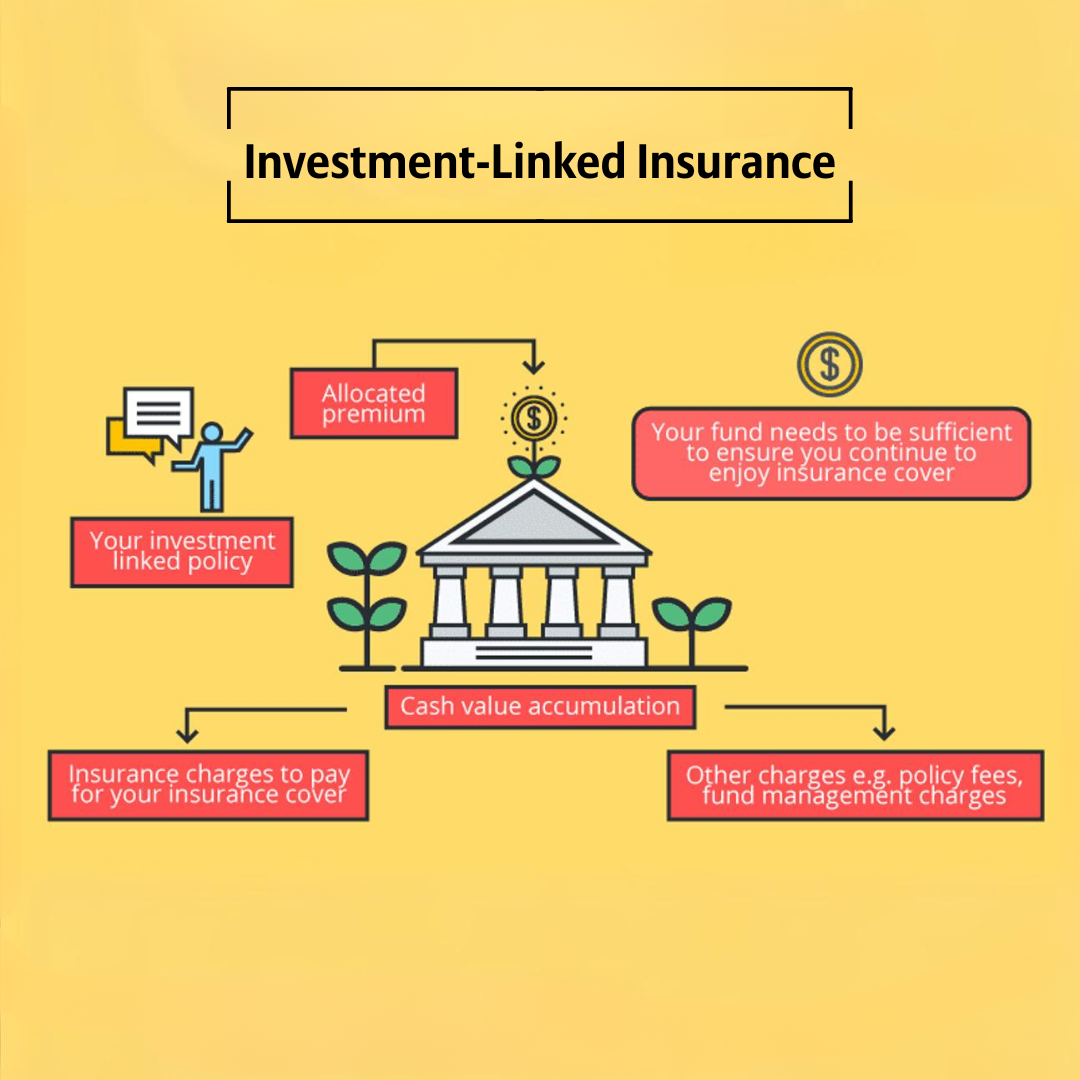
An ILP is a life insurance policy that combines insurance coverage with an investment component. A portion of the premiums you pay goes towards providing life insurance coverage, while the remaining portion is invested in a variety of funds offered by the insurance company. These funds can include equities, bonds, money market instruments, or a mix of these, allowing policyholders to tailor their investment strategy based on their risk tolerance and financial goals.
:max_bytes(150000):strip_icc()/Unit-linked-insurance-plan-resized-d9ca6fd160504191b77aee8d2c1b9fec.jpg "image.title")
How Does Investment-Linked Insurance Work?
When you purchase an ILP, you typically allocate your premiums between the insurance component and the investment component. The insurance component provides a death benefit to your beneficiaries if you pass away during the policy term. The investment component is managed by the insurance company’s fund managers, who invest your premiums in the chosen funds. The value of your investment component fluctuates based on the performance of the underlying funds.
Types of Investment-Linked Insurance
ILPs come in various structures, each with its own set of features and characteristics. Some common types include:
Single Premium ILPs: These plans involve a one-time lump-sum premium payment, offering immediate investment and insurance coverage.
Key Features of Investment-Linked Insurance
ILPs possess several distinguishing features:
Dual Benefit: They provide both life insurance coverage and investment growth potential.
Benefits of Investment-Linked Insurance
ILPs offer several advantages:
Financial Security: The life insurance component provides a financial safety net for your family in case of your untimely demise.
Risks of Investment-Linked Insurance
While ILPs offer potential benefits, it’s crucial to be aware of the associated risks:
Market Volatility: The value of the investment component is subject to market fluctuations, which can impact the overall value of your policy.
Who is Investment-Linked Insurance Suitable For?
ILPs may be suitable for individuals who:
Seek a combination of insurance and investment: They want both life insurance coverage and the potential for investment growth.
Who May Not Be Suitable for Investment-Linked Insurance?
ILPs may not be suitable for individuals who:
Need short-term liquidity: They require access to their funds in the near future.
How to Choose an Investment-Linked Insurance Plan
Choosing the right ILP requires careful consideration of several factors:
Insurance Needs: Determine the amount of life insurance coverage you require to protect your family.
Understanding the Charges Involved
ILPs typically involve several charges, which can impact your overall returns. It’s crucial to understand these charges before investing:
Premium Allocation Charge: A percentage of the premium deducted towards expenses before being invested.
Regulation of Investment-Linked Insurance
ILPs are regulated by the respective insurance regulatory authorities in different countries. These regulations aim to protect policyholders’ interests and ensure the financial stability of insurance companies. It’s important to be aware of the regulations governing ILPs in your jurisdiction.
Comparing Investment-Linked Insurance with Other Investment Options
ILPs are just one of many investment options available. It’s essential to compare them with other options, such as mutual funds, stocks, bonds, and fixed deposits, to determine which best aligns with your financial goals and risk tolerance. Consider consulting a financial advisor for personalized advice.
The Future of Investment-Linked Insurance
The ILP landscape is constantly evolving, with insurers introducing new features and innovative products. The increasing focus on financial planning and wealth management suggests that ILPs will continue to play a significant role in the financial services industry.
Conclusion
Investment-linked insurance can be a valuable tool for individuals seeking a combination of life insurance coverage and investment growth. However, it’s crucial to understand the features, benefits, risks, and charges associated with these products before investing. Careful consideration of your financial goals, risk tolerance, and investment horizon is essential to determine if an ILP is the right choice for you. Consulting with a qualified financial advisor can provide personalized guidance and help you make informed decisions. Remember, a well-informed decision is the cornerstone of successful financial planning.


:max_bytes(150000):strip_icc()/sweepaccount.asp-Final-e0b16e87c6be4879a9376eec7787c292.png?resize=200,135&ssl=1 "Lincoln Investment Sweep Program: An Overview")
:max_bytes(150000):strip_icc()/Unit-linked-insurance-plan-resized-d9ca6fd160504191b77aee8d2c1b9fec.jpg?ssl=1&description=Investment-Linked%20Insurance%3A%20Balancing%20Protection%20And%20Growth)