finance Software Projects: A Deep Dive
Finance software projects are complex undertakings that require careful planning, execution, and maintenance. These projects encompass a wide range of applications, from simple accounting software to sophisticated trading platforms and risk management systems. This article will delve into the key aspects of finance software projects, including their characteristics, challenges, and best practices for successful implementation.
Finance software projects are unique in several ways:
1.1 High Regulatory Compliance:
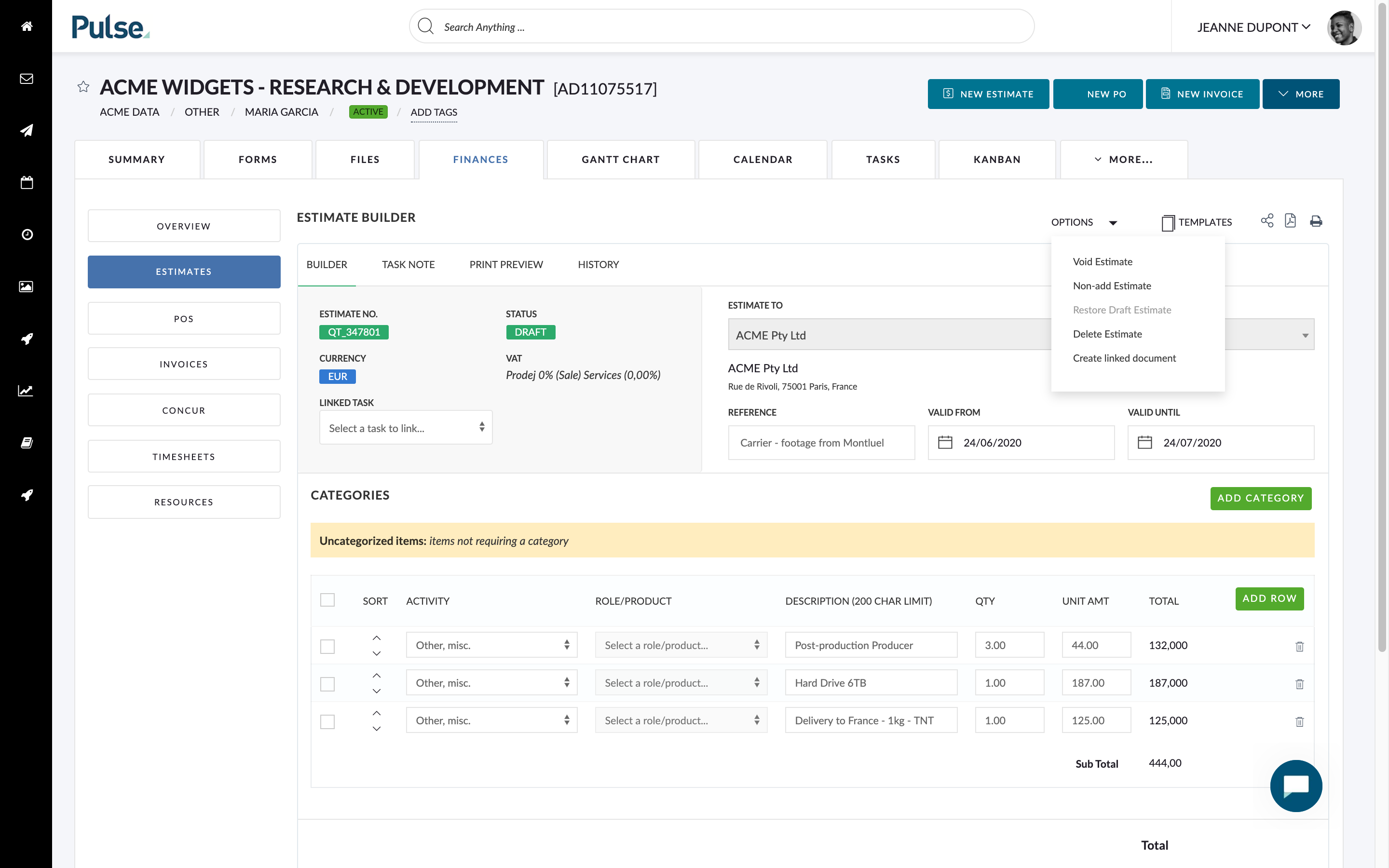
The financial industry is heavily regulated, with strict compliance requirements for data security, privacy, and accounting standards. This necessitates robust security measures, audit trails, and adherence to regulations like GDPR, SOX, and Basel III.
1.2 Data-Intensive Nature:
Financial institutions deal with vast amounts of data, including transactions, market data, customer information, and risk assessments. These projects often involve large-scale data warehousing, data mining, and real-time data processing.
1.3 Criticality and Time Sensitivity:
Many finance software projects are mission-critical, impacting core business functions such as trading, lending, and investment management. Delays or failures can have significant financial and reputational consequences.
1.4 Constant Evolution:
The financial landscape is constantly evolving, with new regulations, technologies, and market trends emerging. Finance software must be adaptable and able to accommodate these changes quickly.

2.1 Accounting and Financial Reporting Software:
General Ledger (GL) systems
2.2 Trading and Investment Management Software:
Order management systems (OMS)
2.3 Banking and Lending Software:
Core banking systems
2.4 Insurance Software:

Policy management systems
3.1 Complexity and Integration:
Finance software often involves integrating with numerous internal and external systems, such as legacy systems, market data feeds, and regulatory reporting platforms. This integration can be complex and time-consuming.
3.2 Data Security and Privacy:
Protecting sensitive financial data from cyber threats is paramount. This requires robust security measures, including encryption, access controls, and regular security audits.
3.3 Regulatory Compliance:
Staying abreast of evolving regulations and ensuring compliance can be a significant challenge. Non-compliance can result in hefty fines and reputational damage.
3.4 Cost and Time Overruns:
Finance software projects can be expensive and time-consuming. Underestimating costs or facing unforeseen challenges can lead to budget overruns and project delays.
3.5 Talent Acquisition and Retention:
Finding and retaining skilled professionals with expertise in finance, technology, and regulatory compliance can be challenging.
4.1 Robust Planning and Requirements Gathering:
Clearly define project scope, objectives, and success criteria.
4.2 Agile Development Methodologies:
Adopt agile methodologies like Scrum or Kanban to facilitate flexibility and iterative development.
4.3 Data Security and Privacy by Design:
Incorporate security and privacy considerations into every stage of the project lifecycle.
4.4 Regulatory Compliance Focus:
Stay informed about relevant regulations and industry best practices.
4.5 Testing and Quality Assurance:
Conduct rigorous testing throughout the project lifecycle, including unit testing, integration testing, and user acceptance testing.
4.6 Change Management and Training:
Develop a comprehensive change management plan to ensure smooth adoption of the new software.
5.1 Artificial Intelligence (AI) and Machine Learning (ML):
AI and ML are transforming finance software by enabling:
5.2 Cloud Computing:
Cloud computing offers scalability, flexibility, and cost-effectiveness for finance software. It enables:
5.3 Blockchain Technology:
Blockchain can revolutionize financial transactions by providing:
5.4 Open Banking and APIs:
Open banking initiatives are enabling greater data sharing and innovation in the financial industry. APIs are facilitating the development of new financial products and services.
Finance software projects are critical for the success of modern financial institutions. By understanding the unique characteristics, challenges, and best practices associated with these projects, organizations can improve their chances of successful implementation and gain a competitive advantage in the dynamic financial landscape. As technology continues to evolve, it is essential for finance professionals to stay abreast of emerging trends and leverage innovative solutions to meet the ever-changing needs of the industry.


